Projects where the right measure didn't exist — so I built it.
Each of these started in an ambiguous space where standard metrics missed what mattered. The through-line: finding the behavior that actually predicts learning, and shipping a working prototype — not a report — to prove it.
How I work
Most questions start undefined. I build something quickly so there's a concrete thing to measure against, then run tight iterative loops to find what actually holds up under scrutiny — and what to spin down.
View full CV (PDF) →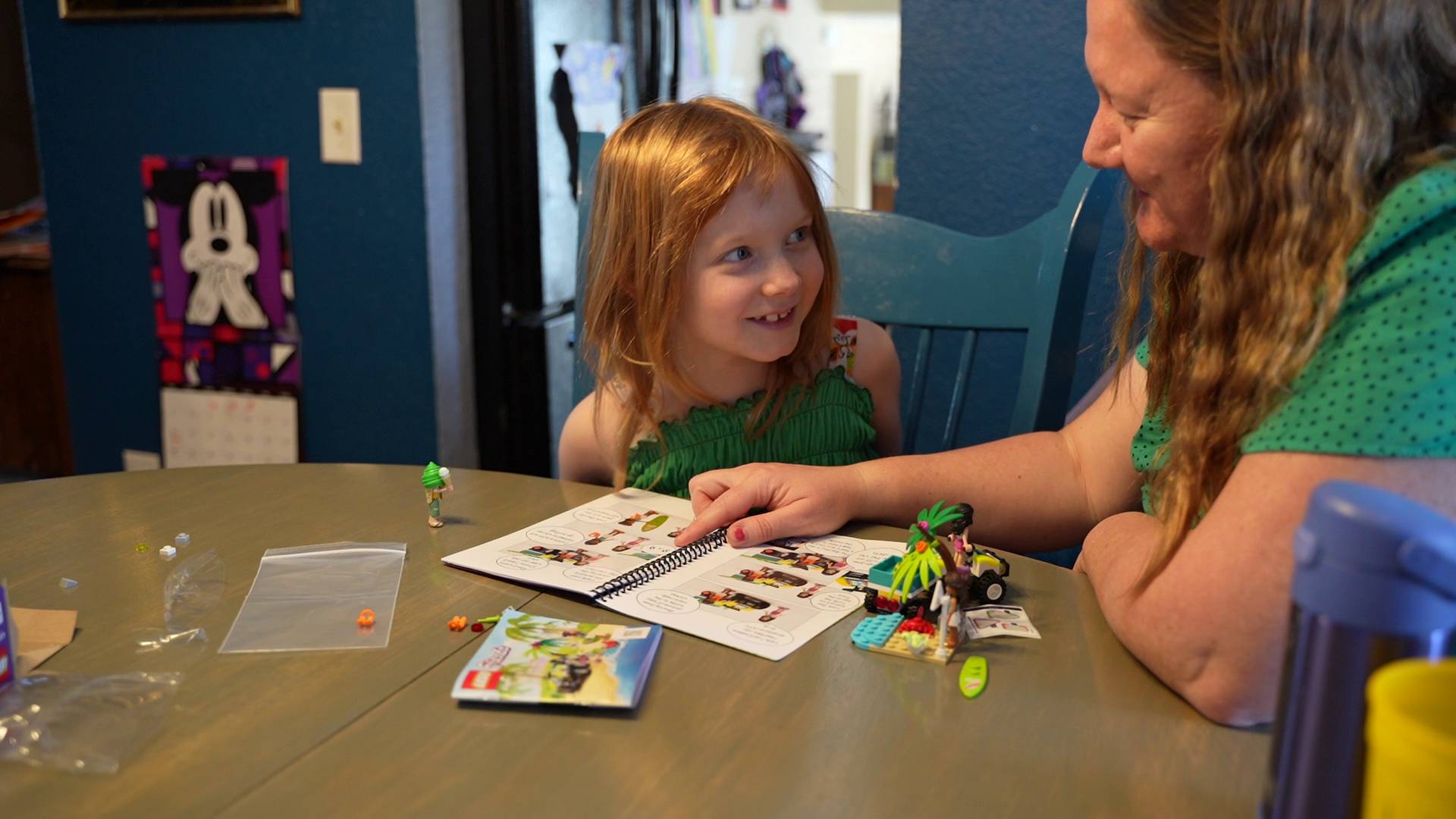
Scaffolding Storytelling with the LEGO Group
Started from weak research suggesting kids wanted to read while building. Prototypes kept failing. After ~40 book experiments, it became clear they didn't want help during — they wanted help storytelling after.
Launched LEGO Play Stories — a new product line built on what we foundThree Working Prototypes, Built in Days, That Helped Secure ~$2M
Password required — it's in my resume, or email me for it.
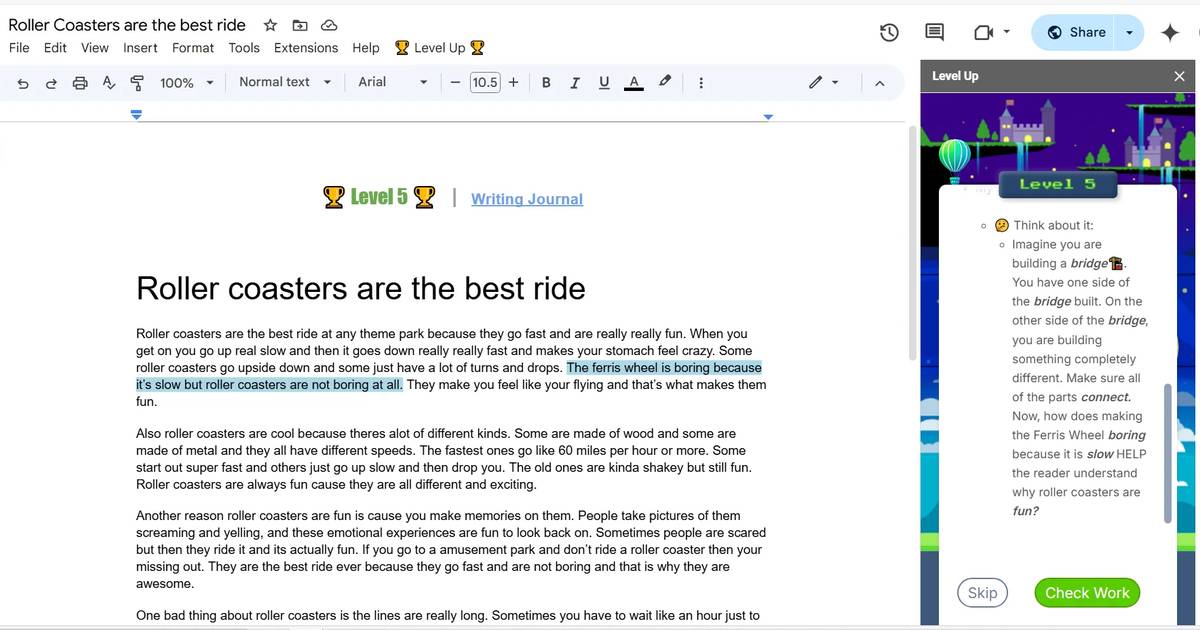
Level Up
Tried to build an AI tool that helped students think critically while writing. Ran into a wall: the motivation to think hard had to come from teachers, not the AI.
Standing-room-only SXSWEDU talk; second iteration in testing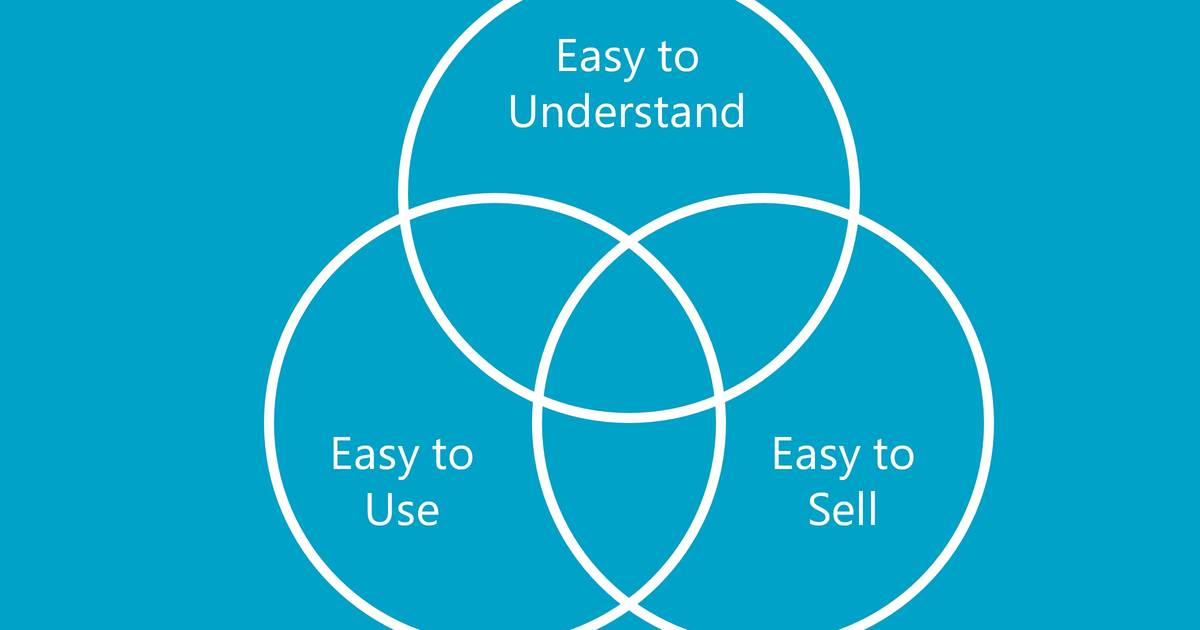
Onboarding Teacher Experience with Classcraft
Classcraft believed student privacy concerns were blocking teacher adoption. Prototyping showed the real issue was simplicity — teachers needed confidence, not more controls. That insight became a playbook now used across HMH.
Launched redesigned onboarding at Classcraft.com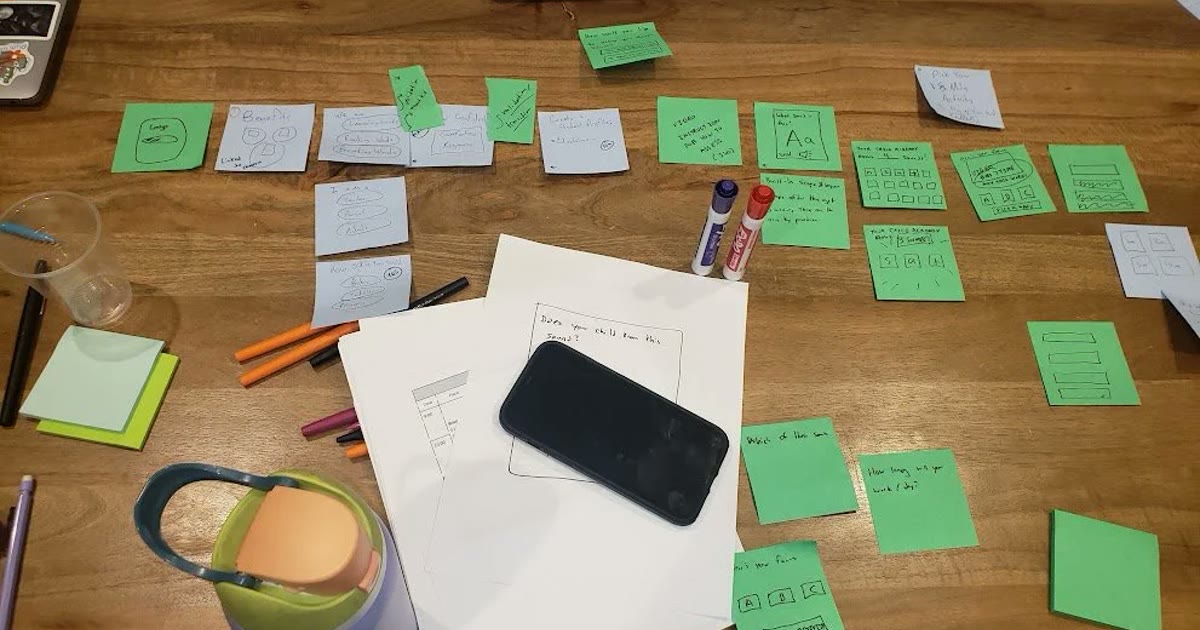
Empowering Parents as Teachers
Worked with Spencer Russell to understand what was preventing parents from teaching their kids to read. Prototypes pointed to a gap: parents didn't need more information, they needed the right 5-minute intervention at their fingertips.
Ready-to-ship prototype; identified Dreamers vs. Planners framework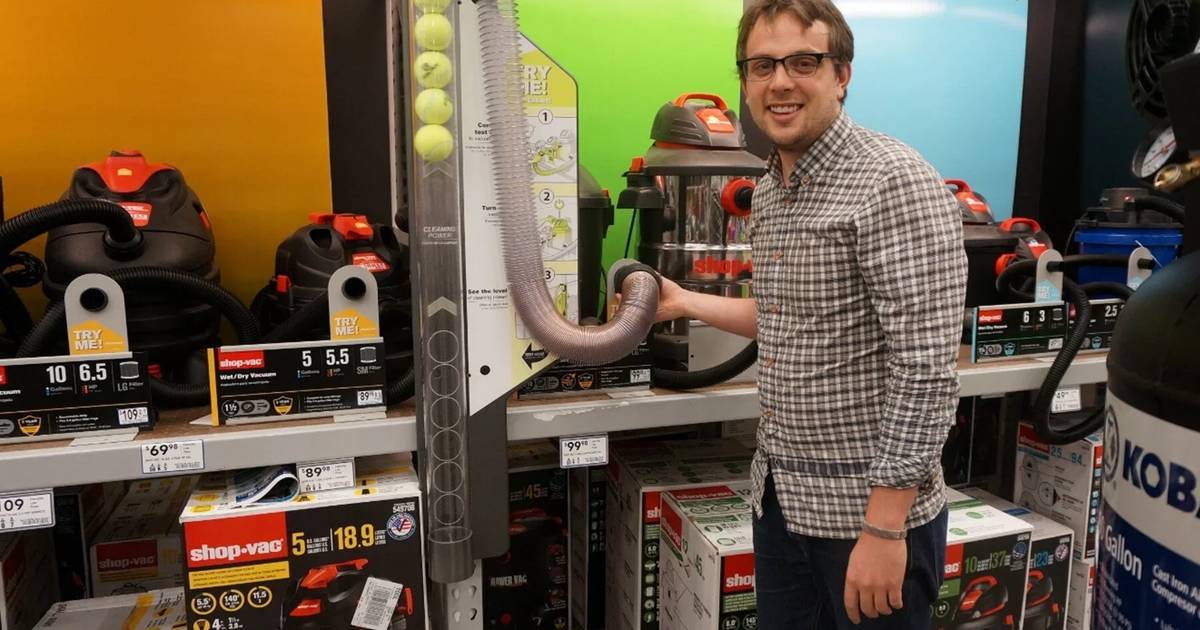
How a Tennis Ball Increased Lowe's Vacuum Sales by 9%
Lowe's had 14 vacuums and customers who couldn't choose. A fake store, stress sensors, and one unexpected insight about suction led to 150+ design changes and a 9% sales increase.
9% sales increase, 150+ design changes validated via RCT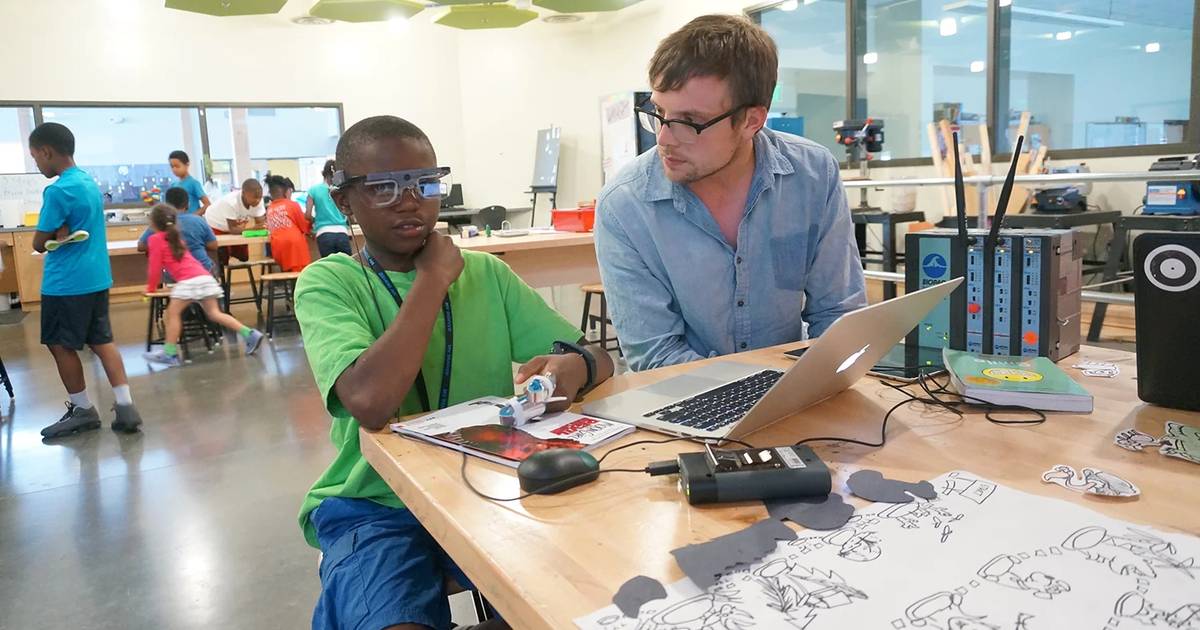
Five Years Building Wonder.io With the Kids Who Needed It Most
Over five years, 70+ versions, and hundreds of hours with Boys & Girls Club students. What eye tracking and emotion sensors taught us about reluctant readers.
Students improved 3 grade levels; app adopted internationally