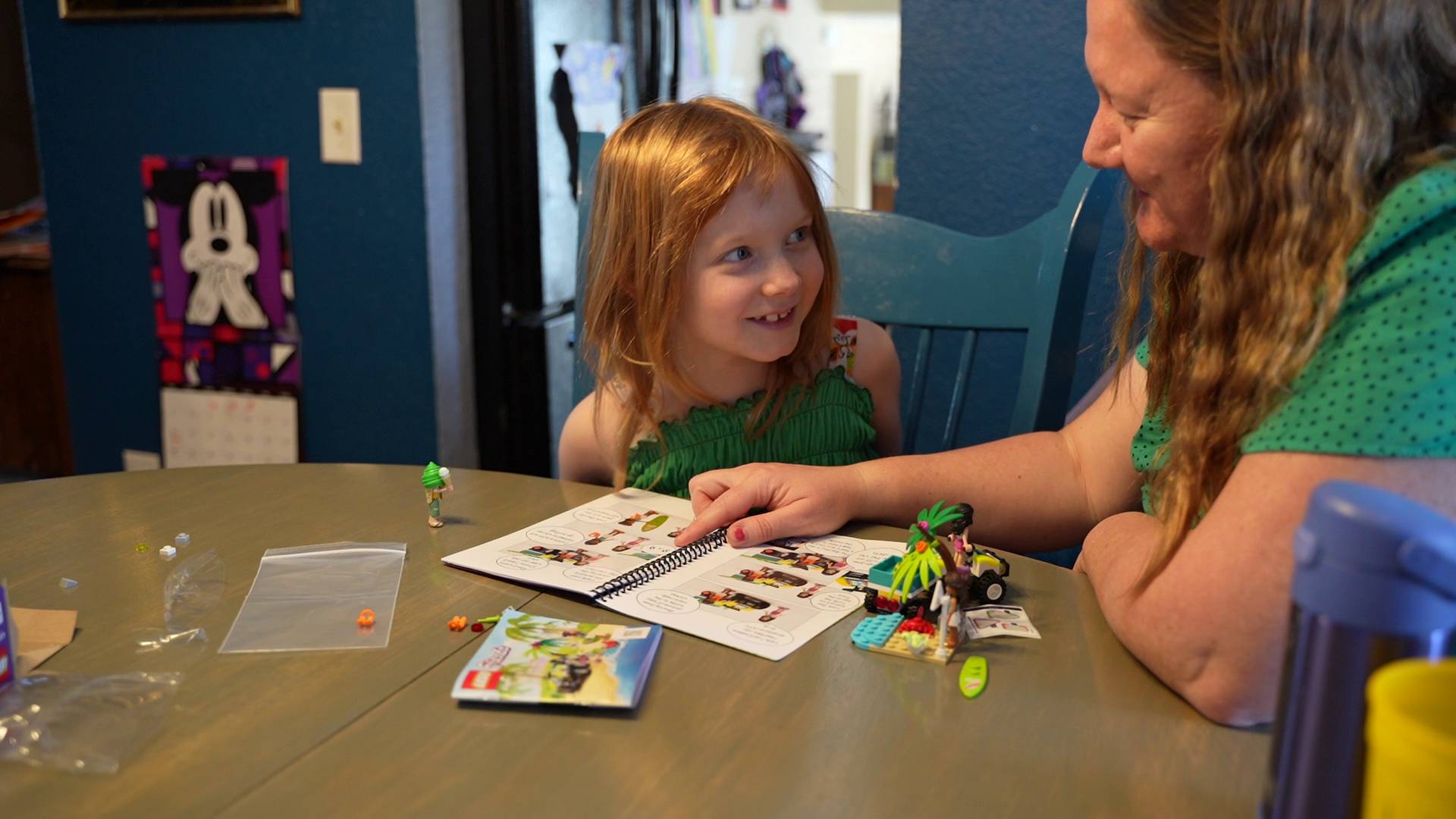
Reinventing the Book with the LEGO Group
How can we enhance playing with LEGO with a book?
- Client
- Publishing within The LEGO Group
- Sector
- Toys, Play, Education, Publishing
- My Role
- Design Director and Research Lead
- Scope
- I managed 10 designers over 1 Year
The LEGO Publishing Group had a question: How can we enhance LEGO play with a book? The LEGO Group makes many books, but children often buy the books simply for the bricks. Our early tests showed that the books were not being read. In this yearlong study, we looked at how play could motivate students to read and then pivoted toward how reading can improve play.
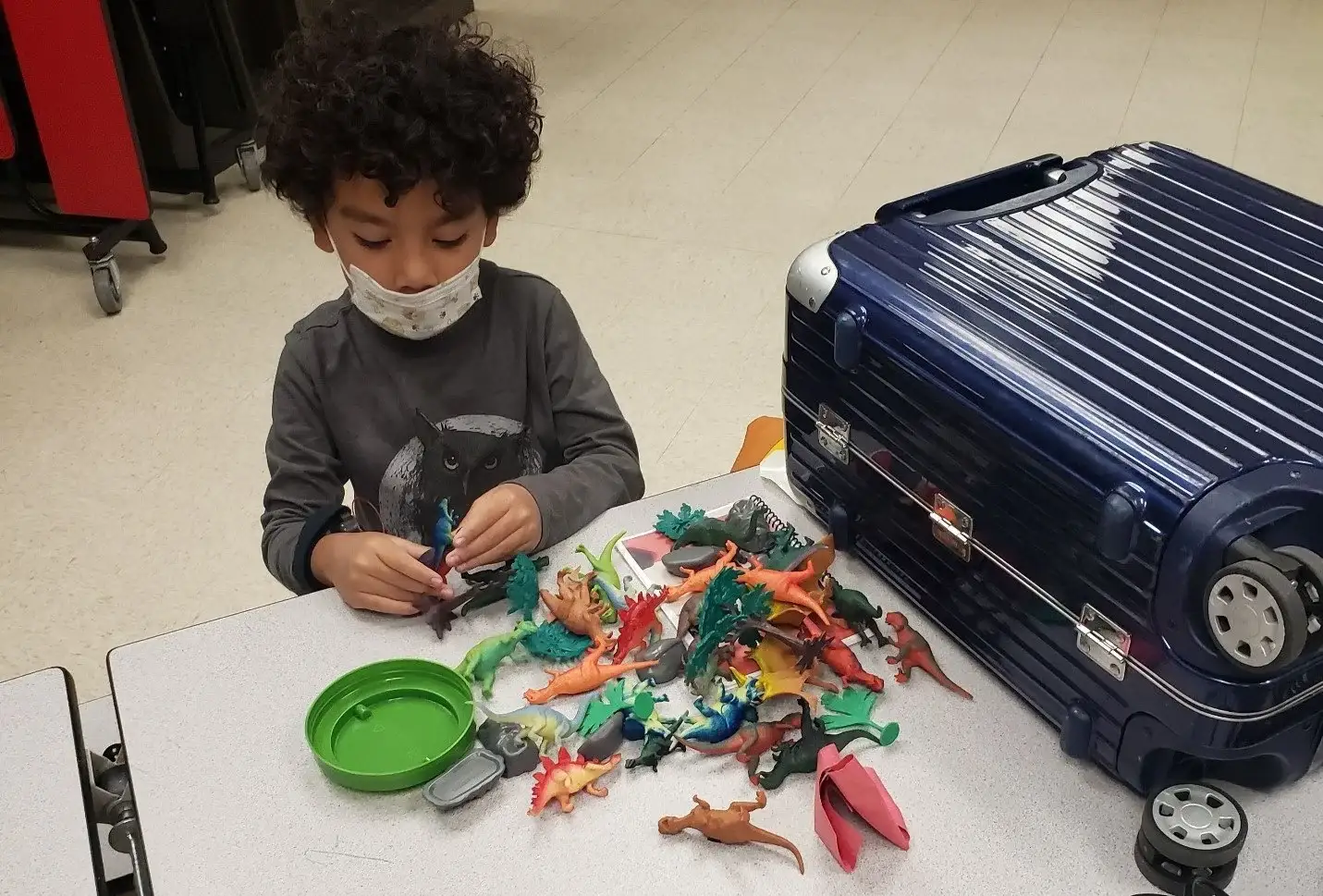
Prototyping in Denver Public Schools
To build a product that motivated children to read, we began by testing struggling readers. We recruited second- to fourth-grade students who disliked reading to try our new reading prototypes.
We then co-created with these struggling students to experiment with how reading and play could be combined over 11 different iterations. In each iteration, we wrote, built, and printed a book. We gave the book to our reluctant readers, being careful never to tell them they had to read.
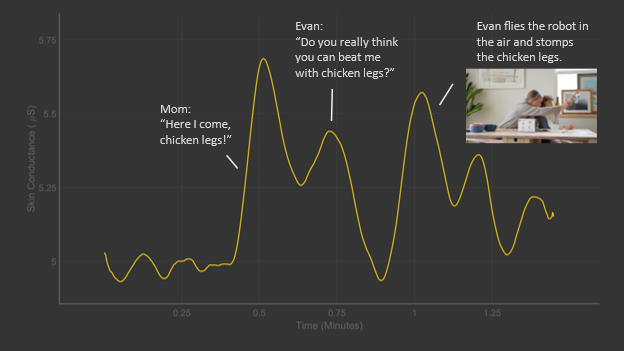
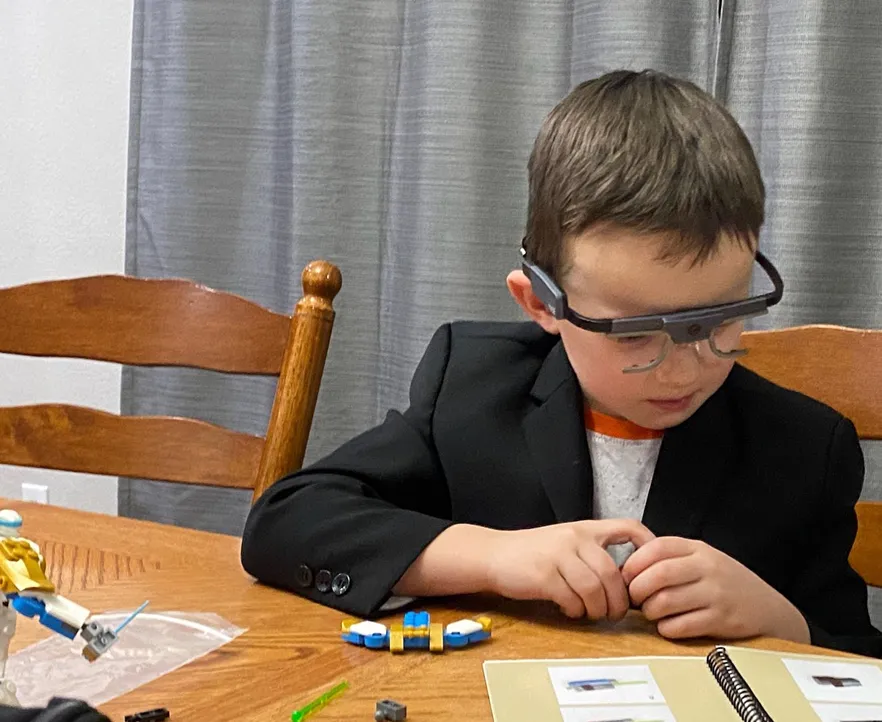
We observed how they used the book, including using eye tracking and skin conductance sensors. We then asked the students what they would do in the next iteration to make the reading part of their play more desirable.
What We Learned From the Prototypes
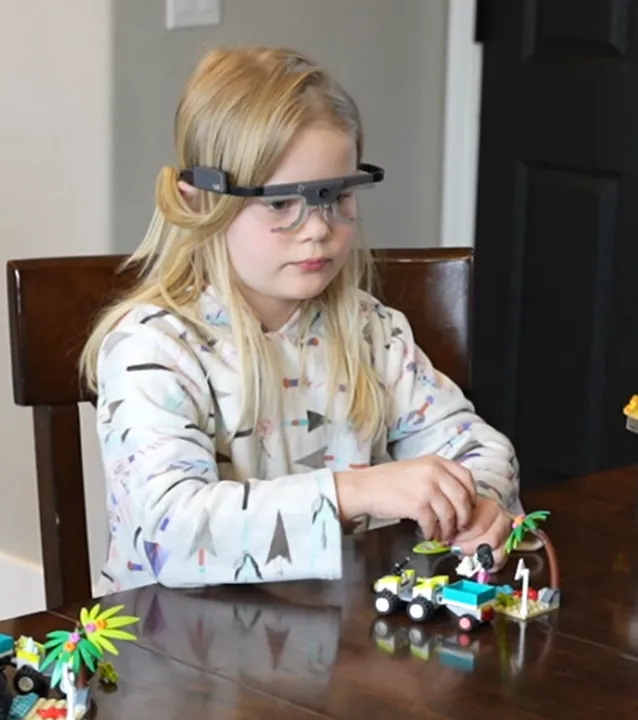
Prototype #1: Books that Direct Play
"Escape the Volcano" — children were instructed to place dinosaurs on the table in a clear way to tell the story. Instead, readers opted to just play with the dinosaurs.
Results: Students never opened the book.
If students don't have a reason to read, they will choose to only play.
Prototype #5: Books Contain Instructions
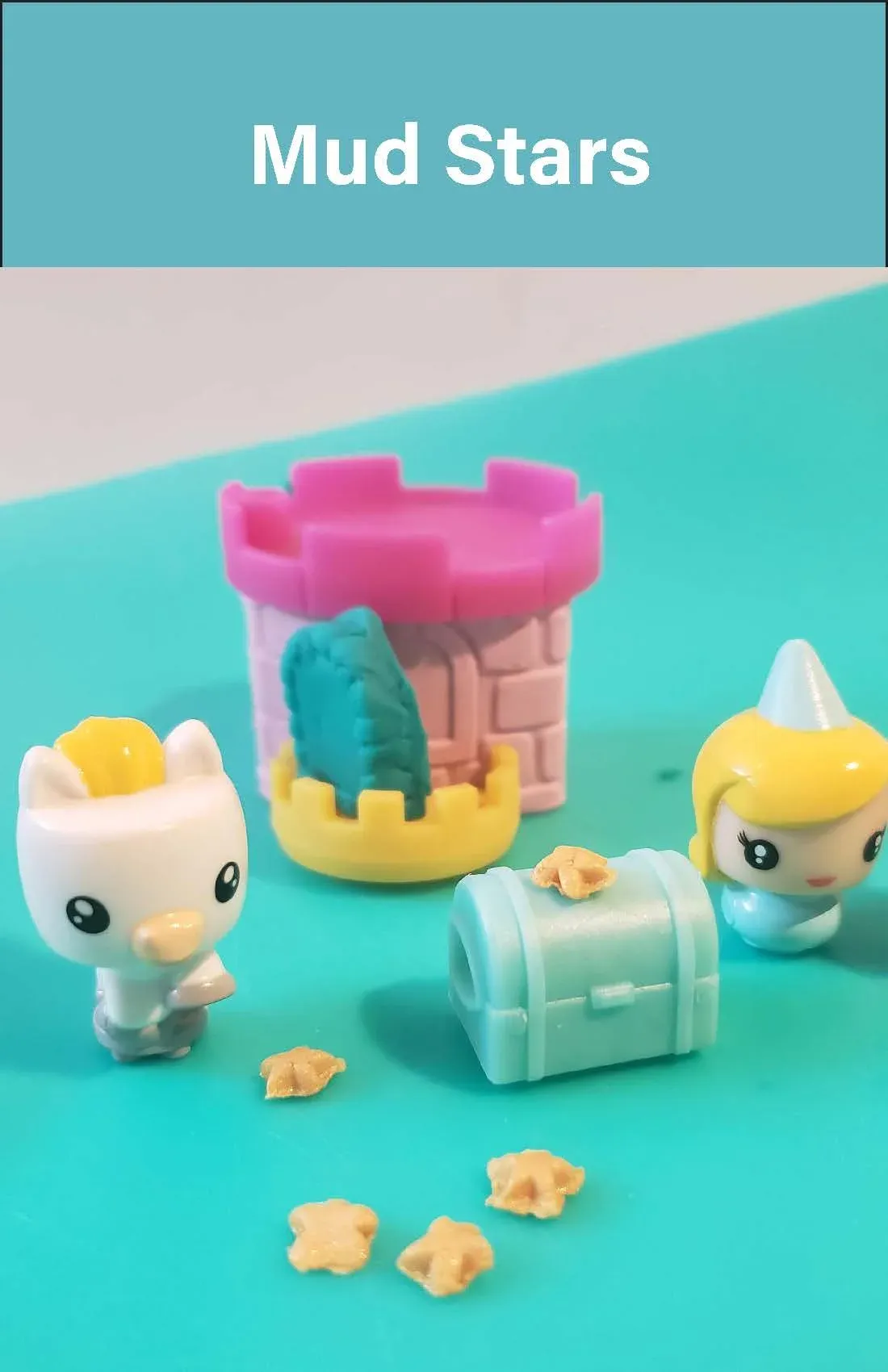
We took out the instructions for a Play-Doh Castle so the students would have to read the book to build the castle. Rather than reading, most of the students opted to just make their own creation (e.g. a bakery). However, one student read the entire book because he wanted to make the castle (his goal was to be an architect).
Results: Most students still did not read the book.
Students will shift their play behavior in an effort to avoid reading.
Prototype #7: Play That Requires Reading
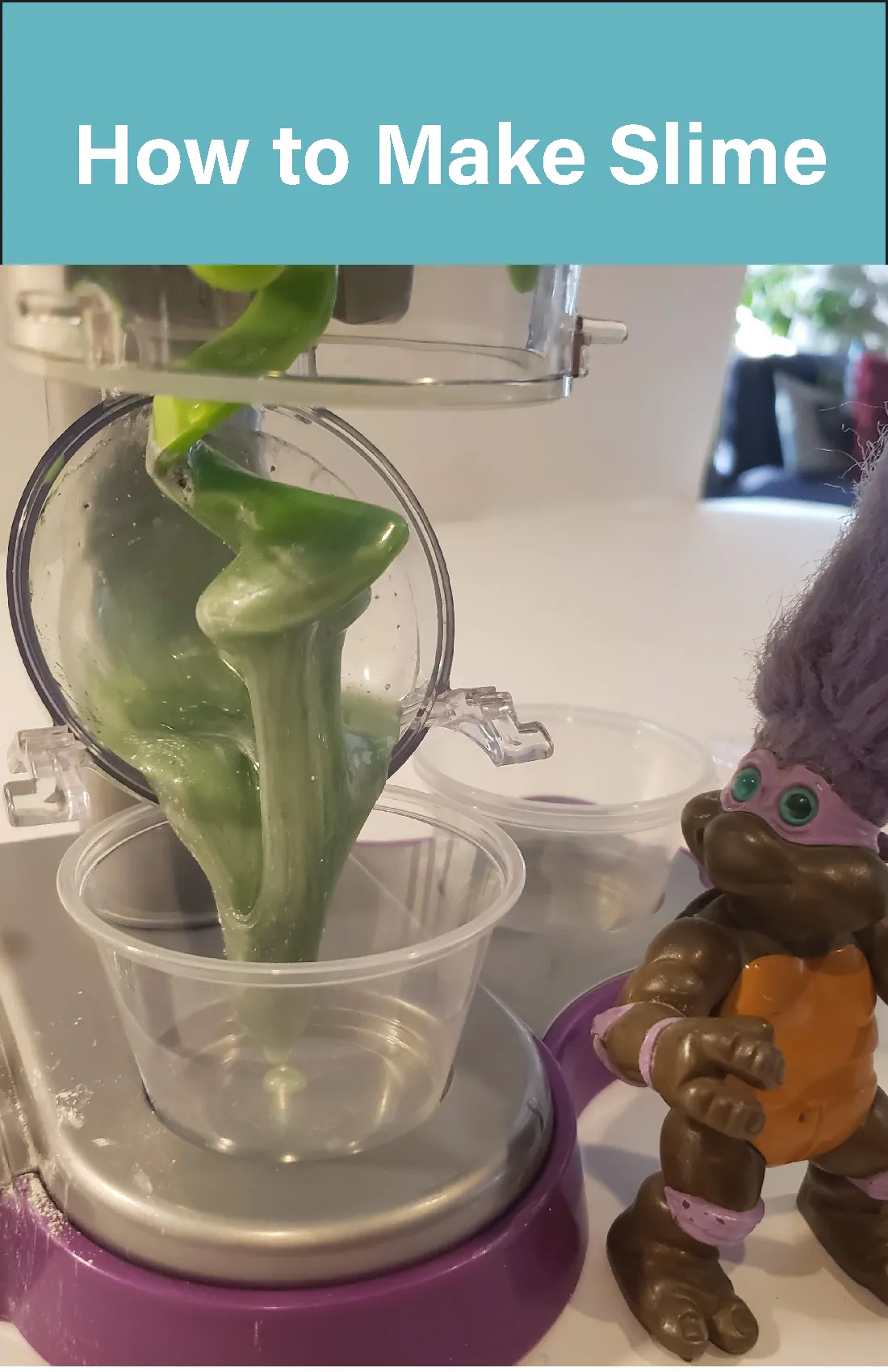
We created a 72-page story about how to make slime. All the students wanted to create the slime, so they read the entire book.
Results: Every student read the book.
If reading is essential to play, the book will be valued and read.
Key Insight
Our discovery that the reading had to be a value-add to play meant that students would not want a book while they built a LEGO set — there was no need for it.
We iterated over and over again with creative twists around building — books that you read while building, books that allowed for building customization, and books that challenged readers to creatively build. In each case, students chose to just build instead of reading.
What Students Told Us
After 11 rounds of prototyping, the data was clear. Students were actively working around reading — shifting their play, ignoring instructions, inventing new games — anything to avoid the book.
Building a LEGO set is more fun without reading.
One Kid Named Asher Changed Everything
But then I made a mistake. I left the test books in a previous house and had to leave our student subject alone with their new LEGO sets for an hour.
When I returned, Asher and his brothers were playing video games. The LEGO sets were shelved as soon as they finished building the models. Asher did not know how to storytell with his new LEGO set.
Children don't want books to help them with building. They want help with storytelling.
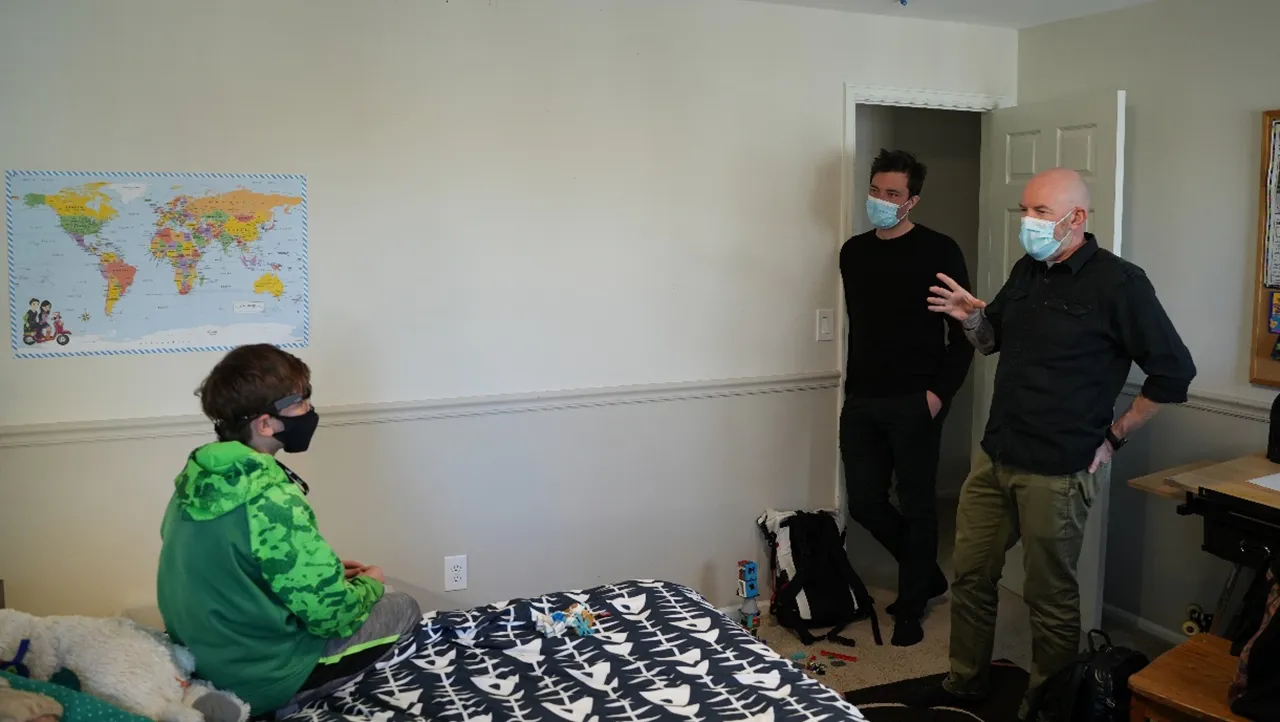
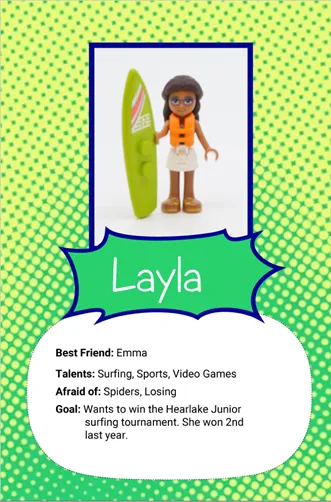
For two weeks, the LEGO Publishing team came to Colorado and we built and tested new ways to inspire children to storytell with their models. We found that children wanted to know more about the characters: What are their names, their hobbies, their fears and goals?
Five Design Principles
We built a successful reading product. Children who typically build and shelve their LEGO sets continued to play and storytell with their models. Below are the five design principles that guided LEGO Publishing's product design for empowering storytelling play.
Provide a Meaningful Background to Inspire Play
Include character profiles and short stories about the toys or characters in the book to give children context for their play.
Ensure Connections to Toys
Ensure that the story in the book can be imitated with the child's own toys, as children often prefer to play and iterate on what they have physically.
Use Open-Ended Prompts for Storytelling
Include open-ended questions and prompts, like "What kind of environment would the character live in?" throughout the book to stimulate children's imaginations and storytelling.
Promote Digital Documentation
Explore how children can use cameras to document, self-reflect, and retell stories by incorporating prompts for them to play with their toys and take pictures.
Encourage Social Interactions
Encourage reading and play sessions that involve adults, siblings, or peers, as social interactions during play enrich the experience and promote language development.
Results & Publication
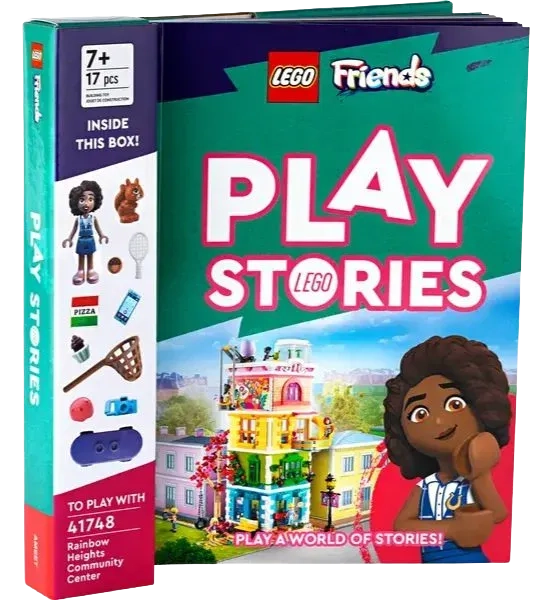
The LEGO Group successfully published storytelling books that were well received by audiences.
Additionally, the LEGO Foundation and ISTE helped publish an article about how reading enhances storytelling play: How Reading Can Be More Playful.
Final Vision
Young readers love books because reading helps them with storytelling. We see a future where every toy is supplemented with a book that helps tell the character's stories and enhances storytelling play.
Young readers love books because reading helps them with storytelling.
If this landed, forward it to a teacher, designer, or publisher you know.
New essays on AI, education, and building things that matter.