Gamification + Learning with Education.com
Most educational games are designed to be completed, not returned to. We set out to build something students would actually ask to play again.
- Client
- Education.com
- Sector
- EdTech, Gamification, Home Learning
- My Role
- Research Lead & Prototype Designer
- Scope
- Homeschooled students, in-home testing across the US
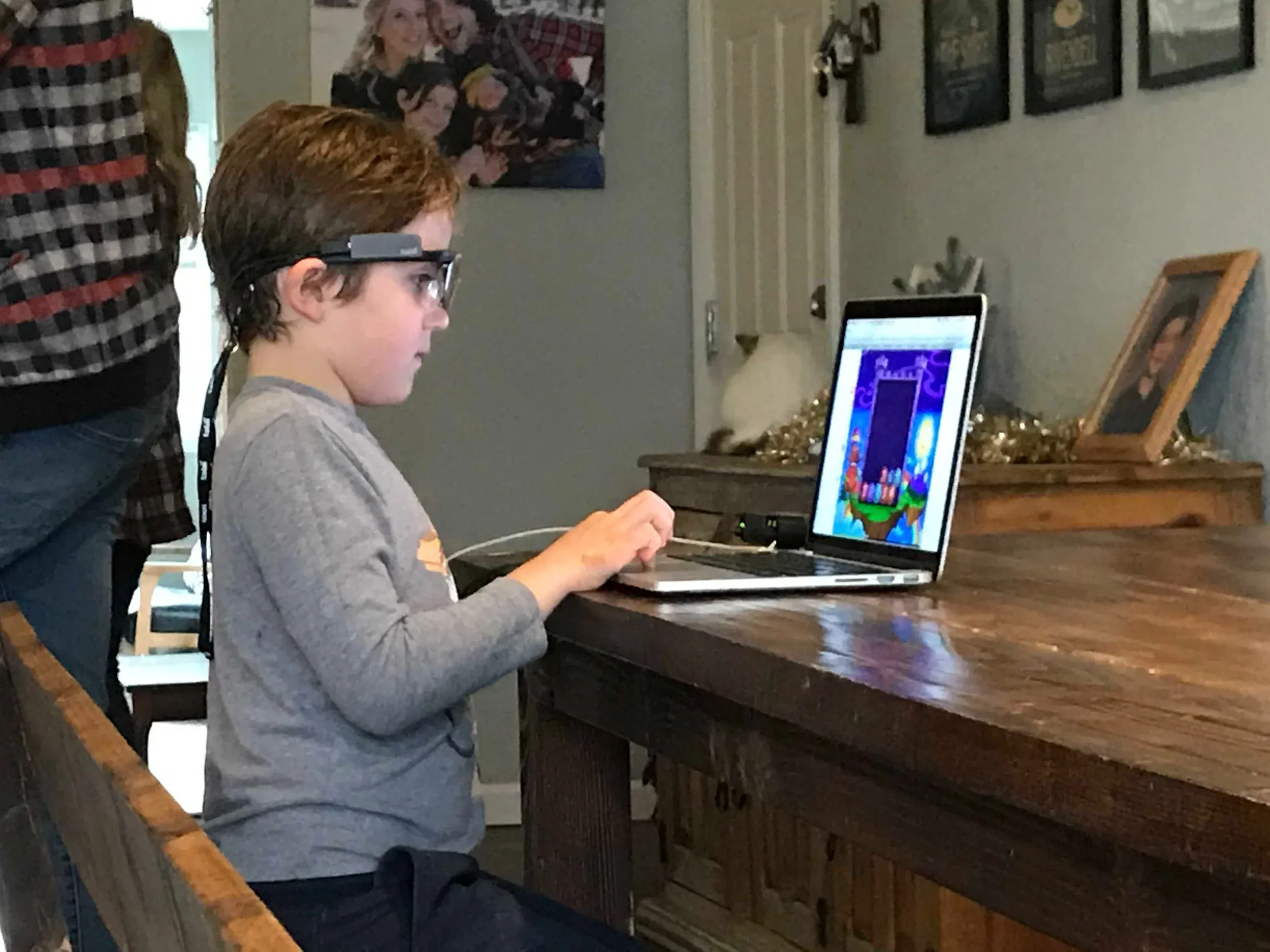
A large portion of Education.com's market is homeschooled students, so we travelled across the United States having students use the software in the home the way they naturally would.
When researchers left the room, we could see young students becoming lost in the software without an adult to guide them back to the "right lesson."
What we found next was a motivation problem. The games existed, but students weren't choosing to return to them. Completing a game once was enough. There was nothing pulling them back.
How We Found the Answer
We built 15 paper prototype games with students using Powerpoint that we had them use over the internet. Based on the children's feedback, we would remove, iterate, and add to these games. By the end, students were saying these games were their favorite games.
Some games we scrapped entirely. Some we enhanced. By the end of the iteration cycle, students were consistently picking particular games as their favorites — and asking to play them again. Those preferences weren't random. They pointed to patterns.

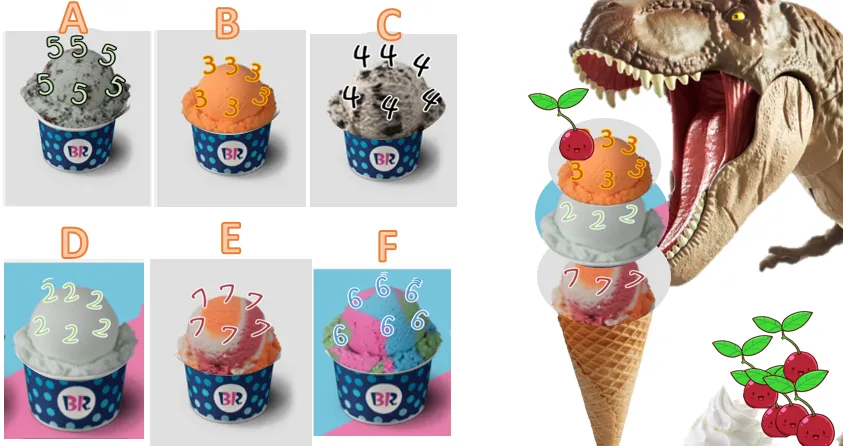
""Education.com now has a rubric and clear design direction on how to make games that students would ask to keep coming back to again and again.""
What Makes a Game Worth Returning To
The games students chose to return to shared specific characteristics. They weren't just more polished or more rewarding. They were structured differently — around mastery, not completion. Students had reason to replay because improvement was visible, challenges scaled with ability, and the feedback loop was tight enough to feel responsive.
The games that failed had the opposite structure: play once, get a score, move on. There was no reason to return because there was no path forward. Completion was the ending, not the beginning.
The output of this project was a rubric — a set of design criteria any game could be evaluated against. Education.com used it as a filter for every new game in development and as a lens for auditing what already existed.
The Gamification Rubric
The rubric from this project is available through Wonder Stories' research portal. Read the Engaging Games Rubric →
The difference between a game students play once and a game they come back to isn't production value. It's structure.
If this landed, forward it to someone designing educational games or learning experiences.
New essays on AI, education, and building things that matter.